
The Science of Fern Extract and Vitamins for Skin Ageing
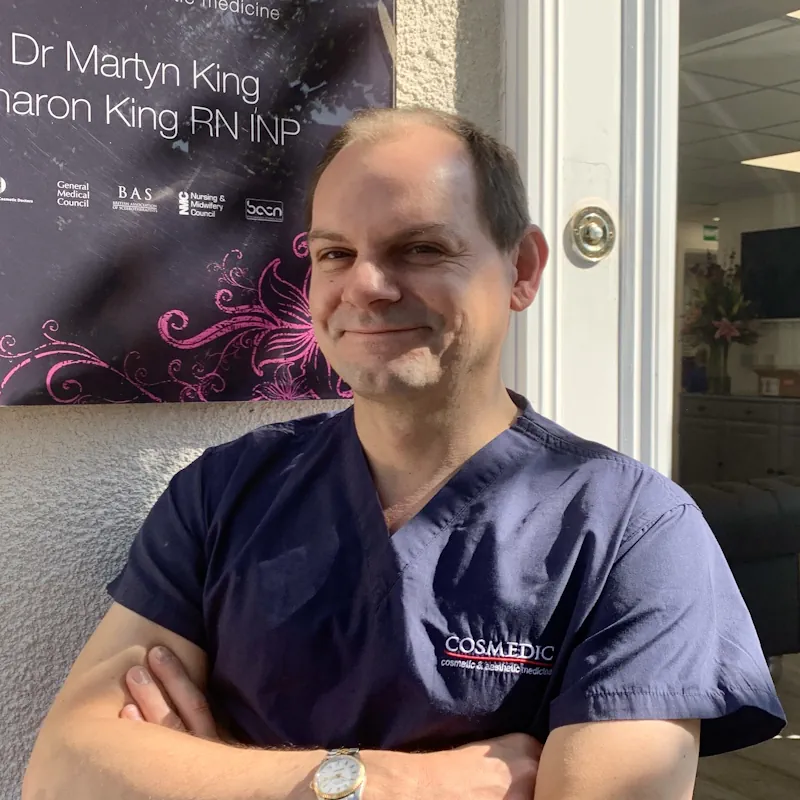
Medically Reviewed by Dr. Martyn King
GMC Registered Medical Director
This article has been peer-reviewed and verified for clinical accuracy. Dr. King is an expert in cosmetic medicine, international aesthetic trainer, and Founder of the Aesthetics Complications Expert Group (ACE).
Contents
- The Power of Polypodium Leucotomos Leaf Extract
- Beyond UV Protection
- Aesthetic Benefits
- The Synergy of Ethyl Ascorbic Acid and Tocopheryl Acetate
- 3-O-Ethyl Ascorbic Acid: The Stable Vitamin C
- Tocopheryl Acetate: The Protective Vitamin E
- Integrating Advanced Ingredients into Your Routine
- What to Look for in a Formulation
- Final Thoughts
In aesthetic medicine, we often discuss the "exposome"—the sum of environmental factors that influence how our skin ages. While chronological ageing is inevitable, photoageing (damage caused by solar radiation) accounts for a significant percentage of visible skin changes, including fine lines, loss of elasticity, and uneven pigmentation.
To combat these effects, modern dermatology has moved beyond simple UV filters. We are now looking at botanical extracts and stabilised vitamins that work at a cellular level. Specifically, the combination of polypodium-leucotomos-leaf-extract, ethyl-ascorbic-acid, and tocopheryl-acetate represents a formidable defence against environmental degradation.
The Power of Polypodium Leucotomos Leaf Extract
Derived from a tropical fern native to Central and South America, Polypodium leucotomos is a unique botanical that has evolved a natural "internal sunblock" to survive intense solar exposure. In clinical applications, this extract provides much more than surface-level protection.
Beyond UV Protection
While traditional sunscreens reflect or absorb UV rays, this fern extract acts as an oral and topical photoprotectant. It helps the skin manage the oxidative stress caused by UVA, UVB, and even High-Energy Visible (HEV) light and Infrared-A (IR-A). Research published in EuropePMC highlights that ferns produce a wide array of secondary metabolites with significant bioactivities, making them an essential phytogenetic bridge in medicinal skincare.
Aesthetic Benefits
From a clinical perspective, the inclusion of this extract helps to:
- Reduce the appearance of redness and inflammation.
- Preserve the structural integrity of the skin’s extracellular matrix.
- Maintain skin elasticity by inhibiting the enzymes that break down collagen.
The Synergy of Ethyl Ascorbic Acid and Tocopheryl Acetate
Antioxidants rarely work best in isolation. The "Gold Standard" in topical protection involves the pairing of Vitamin C and Vitamin E. However, the specific forms used—ethyl-ascorbic-acid and tocopheryl-acetate—are critical for stability and efficacy.
3-O-Ethyl Ascorbic Acid: The Stable Vitamin C
Traditional L-ascorbic acid is notoriously unstable and often fails to penetrate the skin barrier effectively. Ethyl Ascorbic Acid is a next-generation derivative that is highly stable and soluble in both water and oil. This allows it to penetrate deeper into the dermis, where it can:
- Inhibit tyrosinase activity to brighten skin tone and reduce the appearance of dark spots.
- Stimulate collagen synthesis to firm the skin.
- Neutralise free radicals before they can damage cellular DNA.
Tocopheryl Acetate: The Protective Vitamin E
Tocopheryl-acetate is a stable form of Vitamin E that acts as a lipid-soluble antioxidant. Its primary role is to protect cell membranes from oxidative damage. When paired with Vitamin C, it creates a synergistic effect where Vitamin C regenerates the Vitamin E molecule after it has neutralised a free radical, essentially "recharging" the skin's antioxidant reservoir.
Integrating Advanced Ingredients into Your Routine
When looking for a comprehensive anti-ageing strategy, it is important to look for formulations that combine these biological protectors with other proven actives. For instance, ingredients like niacinamide can help support the skin barrier, while lactic-acid can gently refine texture to allow better penetration of antioxidants. In some advanced restorative protocols, we even see the use of snail-secretion-filtrate to accelerate dermal repair.
What to Look for in a Formulation
A high-quality formulation should offer broad-spectrum protection while remaining cosmetically elegant. For patients seeking a lightweight, breathable texture that doesn't compromise on science, an ultra-light foam or "airgel" consistency is often preferred.
An excellent example of this sophisticated blending of technology and biology can be found in the Heliocare 360 Airgel SPF 50+, which utilises the full spectrum of Polypodium leucotomos (often referred to as Fernblock® technology) alongside Vitamins C and E to provide a matte, non-greasy finish that is suitable for all skin types.
Final Thoughts
Ageing gracefully is no longer just about "fixing" wrinkles after they appear; it is about proactive protection and biological support. By incorporating polypodium-leucotomos-leaf-extract and stabilised vitamins into your daily regimen, you are providing your skin with the tools it needs to defend itself against the modern environment.
As always, for the best results, ensure your skincare routine is tailored to your specific skin concerns and consult with a professional to find the right concentration of active ingredients for your needs.