
The Science of Polypodium Leucotomos and Antioxidants
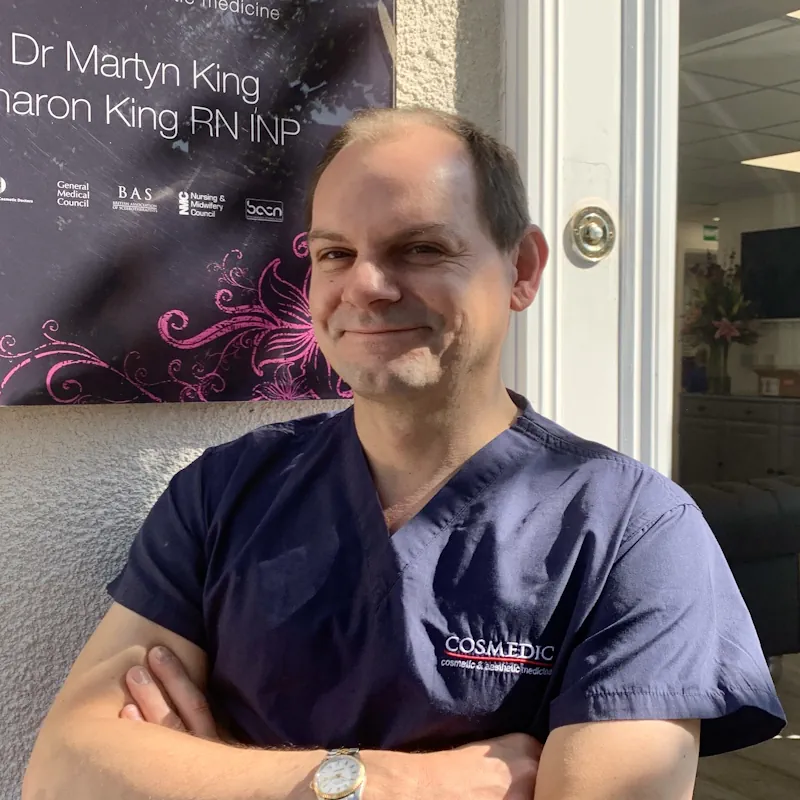
Medically Reviewed by Dr. Martyn King
GMC Registered Medical Director
This article has been peer-reviewed and verified for clinical accuracy. Dr. King is an expert in cosmetic medicine, international aesthetic trainer, and Founder of the Aesthetics Complications Expert Group (ACE).
Contents
- Understanding Photo-Ageing and the Role of Antioxidants
- Polypodium Leucotomos: The Botanical Powerhouse
- How it Works
- The Synergistic Trio: Vitamin C, Vitamin E, and Fern Extract
- L-Ascorbic Acid (Vitamin C)
- Tocopheryl Acetate (Vitamin E)
- Managing Skin Sensitivity and Resilience
- Integrating Oral Protection into Your Routine
- Complementary Ingredients for Skin Health
- Final Thoughts
Understanding Photo-Ageing and the Role of Antioxidants
As an aesthetic clinician, I often emphasize that skin ageing is a multi-factorial process. While genetics play a role, environmental factors, specifically ultraviolet (UV) radiation, account for a significant portion of visible skin changes, including fine lines, loss of elasticity, and hyperpigmentation.
Traditional topical sunscreens are our first line of defence, but the emerging field of "oral photoprotection" offers a systemic way to bolster the skin’s resilience from the inside out. By utilizing specific botanical extracts and vitamins, we can neutralise free radicals before they cause structural damage to the dermal matrix.
Polypodium Leucotomos: The Botanical Powerhouse
Polypodium leucotomos leaf extract is derived from a tropical fern native to Central and South America. Historically, ferns have been utilized for their various bioactive properties, and modern science has identified them as a rich source of secondary metabolites.
According to research published in EuropePMC, ferns produce a wide array of phytochemicals that offer significant potential in dermatological applications.
How it Works
When the skin is exposed to UV radiation, it generates Reactive Oxygen Species (ROS). These unstable molecules damage cellular DNA and break down collagen and elastin. Polypodium Leucotomos acts as a potent antioxidant, helping to:
- Neutralise Free Radicals: It scavenges ROS, reducing the oxidative stress that leads to premature ageing.* Protect Skin Architecture: By inhibiting the enzymes that break down collagen, it helps maintain skin firmness and elasticity.
- Reduce Sun-Induced Redness: It has been shown to decrease the inflammatory response (erythema) associated with UV exposure.
The Synergistic Trio: Vitamin C, Vitamin E, and Fern Extract
While Polypodium Leucotomos is highly effective on its own, its benefits are amplified when combined with traditional antioxidants like L-ascorbic acid (Vitamin C) and tocopheryl acetate (Vitamin E).
L-Ascorbic Acid (Vitamin C)
L-ascorbic acid is essential for collagen synthesis. It acts as a cofactor for the enzymes responsible for stabilizing and cross-linking collagen fibres. Furthermore, it helps brighten the skin tone by inhibiting tyrosinase, the enzyme responsible for melanin production. While often used topically alongside ethyl ascorbic acid, oral supplementation ensures the body has the necessary building blocks for dermal repair.
Tocopheryl Acetate (Vitamin E)
Tocopheryl acetate is a lipid-soluble antioxidant. Its primary role is to protect cell membranes from lipid peroxidation. When combined with Vitamin C, these two nutrients engage in "antioxidant recycling," where Vitamin C regenerates oxidized Vitamin E, allowing it to continue protecting the skin cells.
Managing Skin Sensitivity and Resilience
One of the most significant aesthetic benefits of this ingredient combination is the reduction of Polymorphic Light Eruption (PLE). PLE is characterized by red, blotchy, or itchy skin reactions following sun exposure. By increasing the "minimal erythema dose" (the amount of UV radiation required to cause a burn), ingredients like Polypodium Leucotomos help the skin tolerate daylight more effectively, preventing the blotchiness that can mar an otherwise healthy complexion.
Integrating Oral Protection into Your Routine
It is vital to understand that oral supplements are not a replacement for topical SPF. Instead, they should be viewed as a "second line of defence." While topical creams protect the surface, oral antioxidants provide a systemic safety net, catching the free radicals that topical products might miss.
When looking for a high-quality formulation, it is important to choose products that utilize standardized extracts to ensure potency. For example, a well-regarded formulation such as Heliocare Ultra Capsules utilizes a specific, concentrated fern extract alongside a blend of vitamins to provide comprehensive internal support.
Complementary Ingredients for Skin Health
To further support the skin's barrier and appearance, consider ingredients that focus on hydration and repair, such as:
- Sodium hyaluronate for deep hydration.
- Niacinamide to support the skin barrier.
- Snail secretion filtrate for its regenerative properties.
- Beta-carotene for additional antioxidant support.
- Lactic acid for gentle surface exfoliation (topically).
Final Thoughts
The science of anti-ageing is moving toward a more holistic, "inside-out" approach. By combining the photoprotective properties of Polypodium Leucotomos with the proven collagen-boosting and protective effects of Vitamins C and E, we can significantly enhance the skin's ability to defend itself against environmental aggression. This not only preserves the youthful appearance of the skin but also promotes long-term dermatological health and resilience.